Archives: Projects
-
Home & Community-Scale

In a natural ecosystem, nutrients cycle continuously, as minerals move from soil to plants to animals to decomposers, and back again to the soil. In our society, however, most nutrients are not recycled back to agricultural or natural ecosystems to continue sustainable biological cycles. Instead, the nutrients in food wastes and human wastes become pollutants…
-
Eco-Toilets
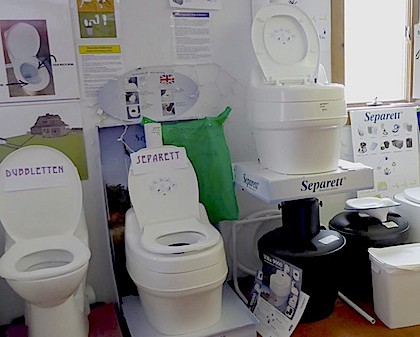
An eco-toilet is a toilet that uses either very little water or none at all, while recovering a majority of human “waste” nutrients. There are many kinds of eco-toilet systems— home-made ones as well as commercially available brands— and new, better systems are constantly being developed. While conserving precious water, energy and material resources, eco-toilets…
-
Chinese Permaculture
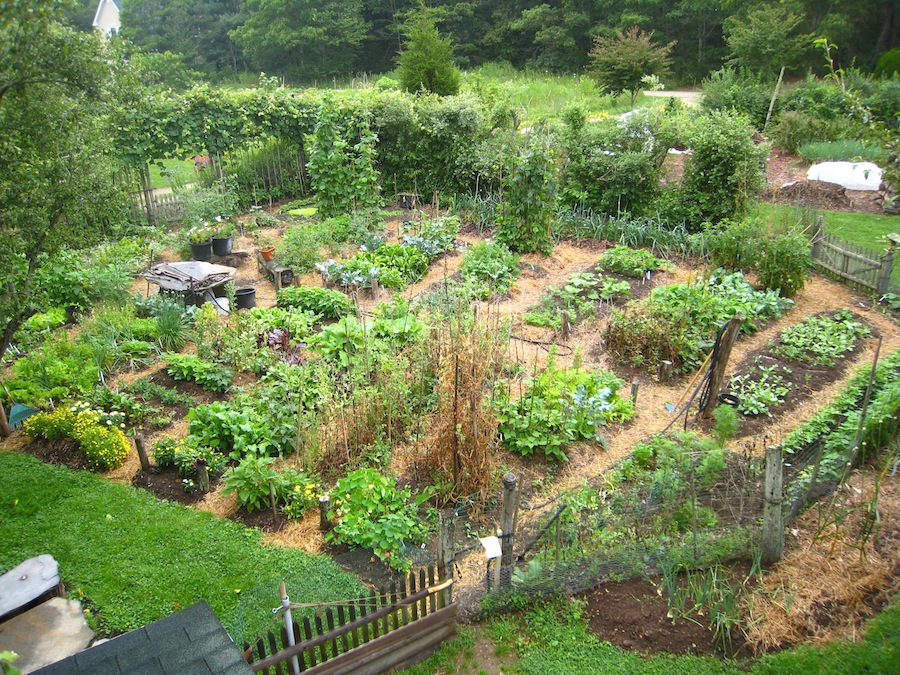
There are large regions in China where farmers have grown food on the same land for more than 6,000 years. Over that time, several hundred generations of farmers developed a highly efficient, highly productive, sustainable agricultural methods, passed on by common custom and recorded using written language. Although traditional Chinese agriculture is perhaps the most…
-
History of Eco-Toilets: From Ancient China to Modern Day USA
by Earle Barnhart One unusual feature of traditional Chinese agriculture, almost unbelievable to early visitors from the West, was the Chinese use of human waste as fertilizer for their agriculture. They were “fanatical recyclers”, recovering virtually all waste materials in their society. After an initial cultural shock at the idea, Westerners who heard of the…
 The Green Center